
"ethiopian coffee"
10000 article(s) found

The practice of Ethiopian coffee beans the introduction of Ethiopian coffee beans
The birthplace of coffee-Ethiopia. The coffee tree originated in Ethiopia, which was originally a wild plant here, and the name coffee comes from the Ethiopian town of Kaffa. In fact, many coffee trees in Ethiopia are still wild plants, and the coffee grown on this coffee tree is full-grained and slightly alcoholic. Humans may have been in the 9th century.

The origin of Ethiopian coffee beans the origin of Ethiopian coffee beans
The birthplace of coffee-Ethiopia. The coffee tree originated in Ethiopia, which was originally a wild plant here, and the name coffee comes from the Ethiopian town of Kaffa. In fact, many coffee trees in Ethiopia are still wild plants, and the coffee grown on this coffee tree is full-grained and slightly alcoholic. Humans may have been in the 9th century.

Introduction of Ethiopian Coffee beans the characteristics of Ethiopian coffee beans
Various forms of coffee cultivation can be found in Ethiopia: everything from wild coffee forests and semi-developed land to traditionally operated plots to modern plantations. About 50% of the coffee is grown more than 1500 meters above sea level. Harrar coffee is the highest growing area of all coffee in Ethiopia. Hara coffee can be divided into long coffee.

Origin of Ethiopian coffee beans the price of Ethiopian coffee beans
Various forms of coffee cultivation can be found in Ethiopia: everything from wild coffee forests and semi-developed land to traditionally operated plots to modern plantations. About 50% of the coffee is grown more than 1500 meters above sea level. Harrar coffee is the highest growing area of all coffee in Ethiopia. Hara coffee can be divided into long coffee.

Introduction of Ethiopian Coffee beans the characteristics of Ethiopian coffee beans
Various forms of coffee cultivation can be found in Ethiopia: everything from wild coffee forests and semi-developed land to traditionally operated plots to modern plantations. About 50% of the coffee is grown more than 1500 meters above sea level. Harrar coffee is the highest growing area of all coffee in Ethiopia. Hara coffee can be divided into long coffee.

How does Ethiopian water wash Lim taste? Ethiopian water washing Lim hand flushing method
Professional coffee knowledge exchange more coffee bean information please follow the coffee workshop (Wechat official account cafe_style) Ethiopian coffee is mainly produced in eight major areas, LIMU is one of them. Most Ethiopian varieties are named after this name. on the one hand, there are many varieties and it is difficult to identify and classify them, on the other hand, the Ethiopian government is unwilling to protect them.

Boutique coffee Ethiopian coffee beans introduction to the origin of Ethiopian coffee beans
The birthplace of coffee-Ethiopia. The coffee tree originated in Ethiopia, which was originally a wild plant here, and the name coffee comes from the Ethiopian town of Kaffa. In fact, many coffee trees in Ethiopia are still wild plants, and the coffee grown on this coffee tree is full-grained and slightly alcoholic. Humans may have been in the 9th century.

The practice of fine coffee Ethiopian coffee beans treatment of Ethiopian coffee beans
The birthplace of coffee-Ethiopia. The coffee tree originated in Ethiopia, which was originally a wild plant here, and the name coffee comes from the Ethiopian town of Kaffa. In fact, many coffee trees in Ethiopia are still wild plants, and the coffee grown on this coffee tree is full-grained and slightly alcoholic. Humans may have been in the 9th century.

Characteristics of Ethiopian coffee beans Cultural boutique coffee of Ethiopian coffee beans
Various forms of coffee cultivation can be found in Ethiopia: everything from wild coffee forests and semi-developed land to traditionally operated plots to modern plantations. About 50% of the coffee is grown more than 1500 meters above sea level. Harrar coffee is the highest growing area of all coffee in Ethiopia. Hara coffee can be divided into long coffee.
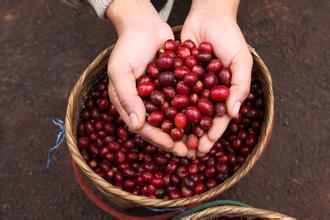
Characteristics of Ethiopian coffee beans introduction of Ethiopian coffee beans fine coffee
Various forms of coffee cultivation can be found in Ethiopia: everything from wild coffee forests and semi-developed land to traditionally operated plots to modern plantations. About 50% of the coffee is grown more than 1500 meters above sea level. Harrar coffee is the highest growing area of all coffee in Ethiopia. Hara coffee can be divided into long coffee.

Characteristics of Ethiopian coffee beans introduction of Ethiopian coffee beans fine coffee
Various forms of coffee cultivation can be found in Ethiopia: everything from wild coffee forests and semi-developed land to traditionally operated plots to modern plantations. About 50% of the coffee is grown more than 1500 meters above sea level. Harrar coffee is the highest growing area of all coffee in Ethiopia. Hara coffee can be divided into long coffee.

Characteristics of Ethiopian coffee flavor of Ethiopian coffee
Yega Sheffield Coffee refers to the Yega Sheffield Coffee produced in Ethiopia. Yega Xuefei is the name of a local town. It is about 1700-2100 meters above sea level. Now Yejashafi coffee has become synonymous with Ethiopian boutique coffee. Although the Ethiopian Yirgacheffe coffee is petite, it is gentle and delicate and sweet. For coffee.

The characteristics of Ethiopian coffee beans the origin of Ethiopian coffee beans fine coffee
The birthplace of coffee-Ethiopia. The coffee tree originated in Ethiopia, which was originally a wild plant here, and the name coffee comes from the Ethiopian town of Kaffa. In fact, many coffee trees in Ethiopia are still wild plants, and the coffee grown on this coffee tree is full-grained and slightly alcoholic. Humans may have been in the 9th century.

The characteristics of Ethiopian coffee beans the origin of Ethiopian coffee beans fine coffee
The birthplace of coffee-Ethiopia. The coffee tree originated in Ethiopia, which was originally a wild plant here, and the name coffee comes from the Ethiopian town of Kaffa. In fact, many coffee trees in Ethiopia are still wild plants, and the coffee grown on this coffee tree is full-grained and slightly alcoholic. Humans may have been in the 9th century.

Ethiopian Coffee characteristics introduce Ethiopian Coffee Brand Ethiopian Coffee varieties
In Ethiopia, the grading and quality control system of coffee is divided into three levels: producer, regional and national. All coffee is inspected by local inspection agencies before leaving the country of origin, and then re-tested at the coffee inspection and grading centers in Addis and Diredawa to determine its quality grade. Coffee is graded before auction and sale, for all involved in production, acquisition,

Development of Ethiopian Coffee characteristics of Ethiopian Coffee
Coffee Workshop (official Wechat account cafe_style) Coffee from Africa and Arabia: Ethiopian coffee was originally developed in Yemen as a commercial crop, but Arabica coffee tree originated in the highlands across the Red Sea in western Ethiopia, where people are still harvesting wild berries. Today

Ethiopian coffee origin Ethiopian coffee processing methods Processing methods
The bulk of coffee production (95%) is done by small shareholders, with an average yield of 561 kg/ha. For centuries, small shareholders of Ethiopian coffee farms have been producing a variety of high-quality coffee types. The secret to producing good coffee is that coffee farmers have developed environmental conditions through generations of repeated learning of the coffee growing process.

How Ethiopian coffee is graded why Ethiopian coffee beans vary in size
Professional coffee knowledge exchange more coffee bean information please follow the coffee workshop (Wechat official account cafe_style) Ethiopia is the hometown of Arabica coffee, it is in Ethiopia's Kaffa region of the forest, you can see wild Arabica coffee. In Ethiopian, coffee is called Bun or Buna, coffee beans (coffeebean

Trabocca of the Netherlands will hold The Ethiopian Cup Ethiopian Cup Coffee auction
For more information on coffee beans, please follow the promoters of the Red Cherry project in Coffee Workshop (official Wechat account cafe_style). Trabocca, a Dutch raw bean trading company, is preparing to hold an Ethiopian Cup Coffee Competition, a coffee raw bean competition auction plan to select the best quality coffee in this coffee birthplace. This company is headquartered in A

Ethiopian Kafa Forest introduces Ethiopian coffee flavor Ethiopian coffee
Professional coffee knowledge exchange more coffee bean information Please follow Coffee Workshop (Wechat official account cafe_style) from the most primitive wild jungle in Ethiopia, where coffee trees grow naturally under the protection of rainforest trees, and litter is the best natural organic fertilizer. Many